




Time and money: two things that every business owner could use a little more of.
For this busy bunch, automation can be the golden ticket to better time management and more cash. Automation essentially means devising a system where routine tasks take care of themselves, so you can focus on the bigger picture.
Automation can be applied to many processes that make up a retail business, and there are a myriad of tools and technologies to support you along the way. Retail automation is a growing trend based on the need for cost savings and rising expectations around delivering a superb customer experience.
But just because something can be automated doesn’t always mean it should be.
Key Takeaways
- Start by auditing your week to find repetitive tasks that don’t benefit from your direct attention.
- Prioritize automation that saves time, reduces errors, and can scale as you grow.
- Use automation to streamline onboarding, marketing, inventory, and checkout—without removing the human touch where it matters.
- Measure results (time saved, error rate, shrink, conversion) and iterate before expanding automation to new workflows.
Determine Which Processes to Automate for Better Time Management
There are a few places you can start when dipping your toes into the world of automation.
Track Your Week
Perform an audit on your work activities. Write down every task you do over a week and the amount of time you spend doing them. Identify where you’re spending time on tasks that don’t directly benefit from your energy. What else can you be doing?
Ask Your Employees
Your employees are often the ones in the weeds executing the most tedious tasks and processes. They can be a hotbed of ideas when it comes to being more efficient. Solicit anonymous feedback to draw out the most honest answers.
Ask Your Customers
Whether it’s in person or through email, uncover areas of your business that customers might feel can be run more smoothly. Automating some tasks can address some of their pain points and streamline workflows — which frees up more of your time and helps out your customers.
Look at Your Competitors
They might be up to something you should consider for your own business.
When considering what processes within your business to automate first, ask yourself the following:
- Is it repetitive? Pick a task that requires little thought or doesn’t benefit from having a person do them. Nixing your involvement in these types of tasks is a great way to amp up your time management game.
- Is it a simple workflow? Scour your business for easy workflows and test automation on them. Hint: most people start with marketing processes like email campaigns or social media posts.
- Will it save you time or money? Honestly calculate what you’d spend in time and money up front on software and the benefit it will have to your business in the long run. Remember, just because it can be automated doesn’t mean it needs to be.
- Will it scale as the business grows? There are certain things you do as a new business that aren’t plausible as you grow. Find a way to keep them with little manpower.
At this point, you might have a pretty good idea where you business might benefit most from automation. Still stuck? Here are some good places to start.
Onboarding New Employees
 Hiring new talent comes with a lot of paperwork — forms, waivers, benefits, payroll — all of which take time and effort to fill out, store and transmit between departments. That new employee then has to be introduced to the vision and goals of your company as they become exposed to early projects. The good news is that the basic needs for every employee getting started is very similar — a perfect candidate for automation.
Streamlining an employee’s first impression of your company can reduce recruiting costs, increase employee retention, and jumpstart productivity.
Consider how to easily disseminate important information like checklists, welcome messages, company vision, values and mission statements, and benefits and payroll forms. Tools like Bamboo HR and Workday can help you centralize many of these functions and automate them.
Bear in mind that the onboarding process benefits from a little human touch. You don’t want to completely automate an employee’s first experience, but just enough so that your HR department can actually spend time nurturing employees.
And once you’ve onboarded your staffers, you can also make scheduling less of a headache with a variety of apps.
Marketing
Marketing automation makes it easier to schedule, organize, and prioritize your campaigns, so you can target your audience more effectively. It uses software to deliver timely and specific communication to your existing and prospective clients.
For example, a new customer signs up for your newsletter at the register. By the time they get home, they’ve received a welcome email with what they can expect to get from you and why they should care. For return customers, trigger an email upon purchase asking them about their experience or use the opportunity to cross-sell based on the item they just purchased. Use a tool like MailChimp or Campaign Monitor to set up and deploy these emails, as well as manage your subscriber lists.

Free Email Guide
Are your emails costing you sales? Get our free guide full of additional tips to help retailers create high-impact emails.
In Salesforce’s State of Marketing (2017), 67% of marketing leaders reported using a marketing automation platform (as summarized by EmailMonday). In a VB Insight report (2015), 80% of marketing automation users reported more leads and 77% reported more conversions (also summarized by EmailMonday).
Keeping Track of Inventory
If you’ve run out of stock, had difficulty managing products being sold over multiple channels, or can’t accurately forecast inventory needs, you’ll benefit from automation. For most growing companies, inventory management is a challenge. Businesses starting out typically use manual tracking and inventory counts, but as they grow, so does the need for accuracy to reduce error, save time and ensure you don’t drop the ball on customer experience.
This may not seem like it has much impact on your business yet, but inventory distortion (out-of-stocks + overstocks) cost retailers about $1.77 trillion worldwide in 2023, according to IHL Group.
With the right point-of-sale system, it's easier to manage and track your inventory to prevent excess or out-of-stock products.
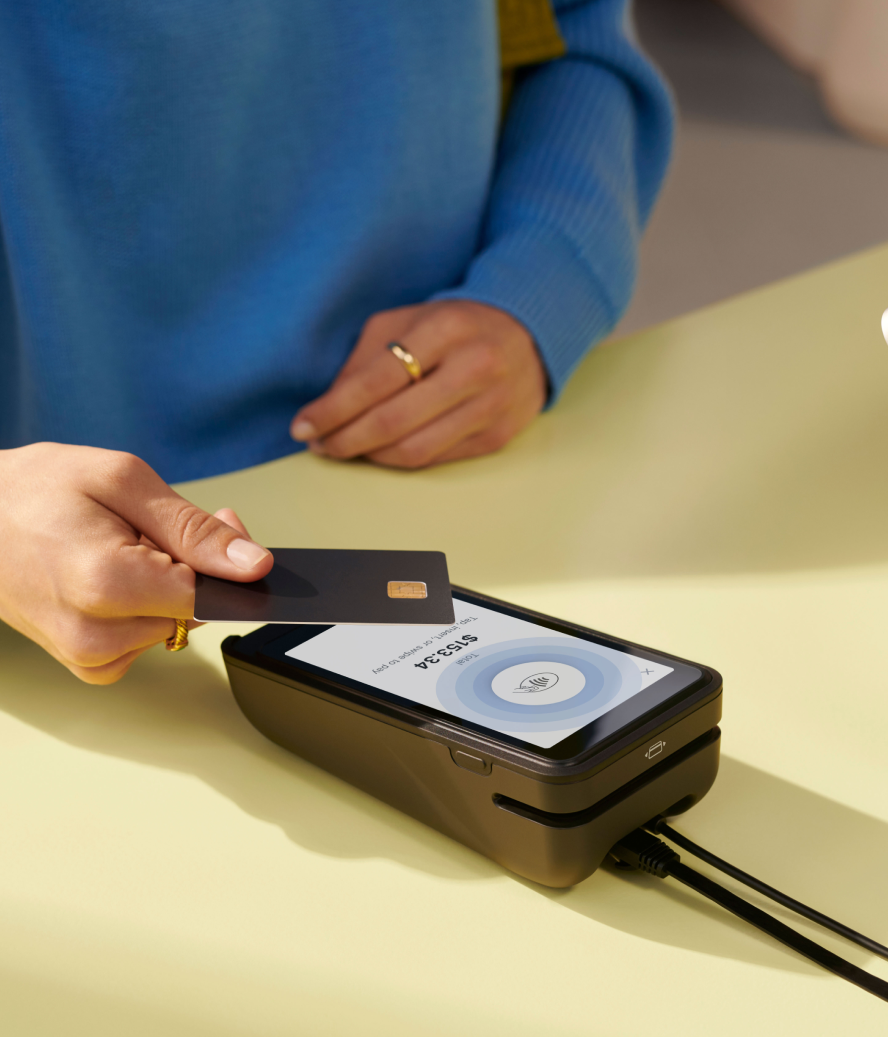
Streamline the Checkout Experience
Amazon unveiled Amazon Go in Seattle in December 2016 (Wired); it opened to the public on January 22, 2018 (Wikipedia). While this might not be your first leap to check out automation, it’s important to know where retail is headed.
You can use your checkout counter to make more sales through streamlining the process. Consider offering your customer the opportunity to check themselves out. Self-checkout shipments reached a record in 2023, with more than 217,000 terminals delivered worldwide (RBR Data Services/Datos Insights, 2024).
This can be convenient for customers in a hurry and may help reduce checkout labor costs, depending on your store’s staffing model and shrink controls.
Cash Room
Maybe you don’t automate your checkout process at all, but you deal with large volumes of cash coming into your clerk’s tills. Handling your daily sales in cash can add hours to your day and that of your cash room employees. Relying on employees also increases the chance of human error (and judgment). In the U.S., shoplifting and employee theft totaled about $32 billion in 2014, according to an NRF study reported by Fortune (2015).
Automating your cash room process reduces labor costs, decreases losses, increases efficiency, and improves security.
Automation for Growth
Every owner is interested in nurturing their business to a point where they no longer need to be involved in daily operations. Boost your time management and put some of your processes on autopilot. You’ll get the freedom you need to take your business to the next level, and keep growing.
Want to get started? Pick one repetitive task (like a welcome email, a reorder alert, or a daily sales report), automate it this week, and track the time you save.
Read more
- This Month In Retail: Disappearing Checkout Counters, Shop-In-Shop Benefits, and Sneakernomics 101
- 7 Ways to Optimize Your Google Places Listing for More Traffic
- Ariel Kaye of Parachute on Stores as Relationship Centers
- Influencer Whitelisting: Everything Retailers Need to Know
- 5 Helpful Tools to Make Training Retail Staff Easier
Retail Automation for Better Time Management FAQ
What retail processes should I automate for better time management?
Automate processes like onboarding new employees, marketing campaigns, inventory tracking, checkout streamlining (including self-checkout), and cash room handling. Start by tracking every task done over a week and the time spent, then target repetitive, simple workflows that save time or money and can scale.
How do I choose which business tasks to automate first?
Begin with a one-week audit: write down every task and how long it takes, then spot low-value time drains. Validate ideas by asking employees (anonymous feedback helps) and customers, and check competitors. Prioritize tasks that are repetitive, simple, save time or money, and will scale as the business grows.
How can I automate marketing emails for my retail store?
Use marketing automation software to send timely, specific emails triggered by customer actions. Example: when someone signs up for a newsletter at the register, send a welcome email by the time they get home; after a purchase, trigger a feedback or cross-sell email based on the item bought.
Why should retailers automate inventory tracking and stock management?
Automation helps when stock runs out, products sell across multiple channels, or forecasting is inaccurate. As businesses grow, manual counts often fall short, so automation improves accuracy to reduce error, save time, and protect customer experience. Retailers lose $1.75 trillion dollars every year from out-of-stock, overstocked, and returned items.
Can automation reduce cash handling errors and theft in retail?
Yes—automating cash room processes can cut the hours spent handling daily cash sales and reduce reliance on employee judgment, which increases the chance of human error. Internal theft leads to billions of dollars in losses for retailers every year, and cash room automation can reduce labor costs, decrease losses, increase efficiency, and improve security.


