


No one is closer to a retailer’s customers than its frontline employees. But retail roles have historically seen high turnover.
In a Korn Ferry Hay Group survey (2016), hourly store employee turnover was 65%. Some of that’s due to scheduling, low pay, and bad supervisors, but career advancement and training also contribute to turnover.
What if retailers could curb employee turnover by empowering them with technology? Helping employees keep up with tech-savvy customers can help keep staff members content while making your business run more efficiently.
Here, you’ll explore the benefits of offering employees tech devices, look at a few examples, and get next steps for assessing whether this is a strategy you should explore for your business.
Key Takeaways
- Mobile tools can help associates answer questions, check inventory, and serve customers without leaving the sales floor.
- Operational tech (like scheduling and task management) can reduce friction for both managers and staff.
- Mobile checkout can reduce bottlenecks and improve the In-Store experience.
- Ongoing training is easier to deliver when tools and workflows are standardized.
The Benefits Of Tech In Retail
Technology continues to change the way consumers shop, whether it’s ecommerce or brick-and-mortar stores. When it comes to shopping online, customers want a seamless, easy-to-navigate experience, whether they’re interacting with a website, mobile site, or app.
Offline, shoppers want the same thing: a seamless experience that’s informative, customer-driven, and easy to navigate, which can be accomplished through the use of tech. In this section, we’ll look at some of the benefits to arming employees with mobile devices and/or tablets to keep them ready for your increasingly tech-savvy customers.
Access To Information
Being able to access information at our fingertips has changed the way customers shop. They can compare prices between stores, search for coupons and promotional codes, find more information about any given product, and check online reviews to see what other buyers think.
“Putting mobile devices in the hands of store associates is now a necessity to keep up with the customer who has a plethora of information available at their fingertips,” Perry Kramer, vice president of BRP, told RetailWire. “Associate mobile devices enhance the shopping experience by accessing real-time inventory and customer data and offering the ability to service customers and process transactions anywhere in the store.”
Being able to answer any questions with the help of quick online access empowers your employees when dealing with customers. Not only are they able to offer greater insight into products and engage more with shoppers, they can also look up inventory data without having to check the back room. Fewer trips to the stockroom means more facetime with consumers — and that provides more modern customer service for your shoppers.
Use these interview questions to find associates who are comfortable learning new tools and serving customers on the floor:
- Tell me about a time you learned a new app or system quickly. How did you do it?
- How would you help a customer if the item they want isn’t available on the shelf?
- What does “great In-Store service” look like to you?
- How do you stay organized when you’re juggling multiple customers?
- How would you handle a customer who prefers self-serve vs. hands-on help?
For more, see Shopify’s guide to building a smoother retail operation.
Increased Productivity
It’s a no-brainer that implementing technology in the workplace can increase employee productivity. In a retail setting, companies can use management systems to assess tasks for particular groups of employees and operational efficiencies.
Technology can also increase employee efficiency (and free up valuable time) by automating certain processes, enabling them to focus on more challenging or important tasks.
When it comes to managing a team, using a cloud-based scheduling system makes it easier for employees to track their hours. Mobile apps such as When I Work and Schedule Head enable managers to see an employee’s shift preferences, notify employees to take breaks, and enhance communication between all store employees.
SCHEDULE EMPLOYEES WITH EASE: Take the headache out of creating employee schedules. Read Shopify’s definitive guide to help automate this tedious task.
Processing Sales Everywhere
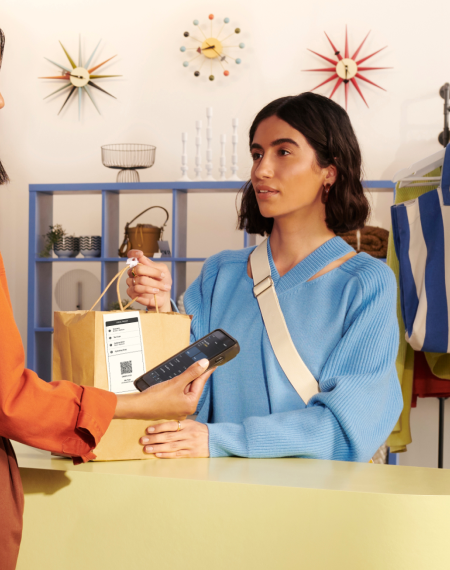
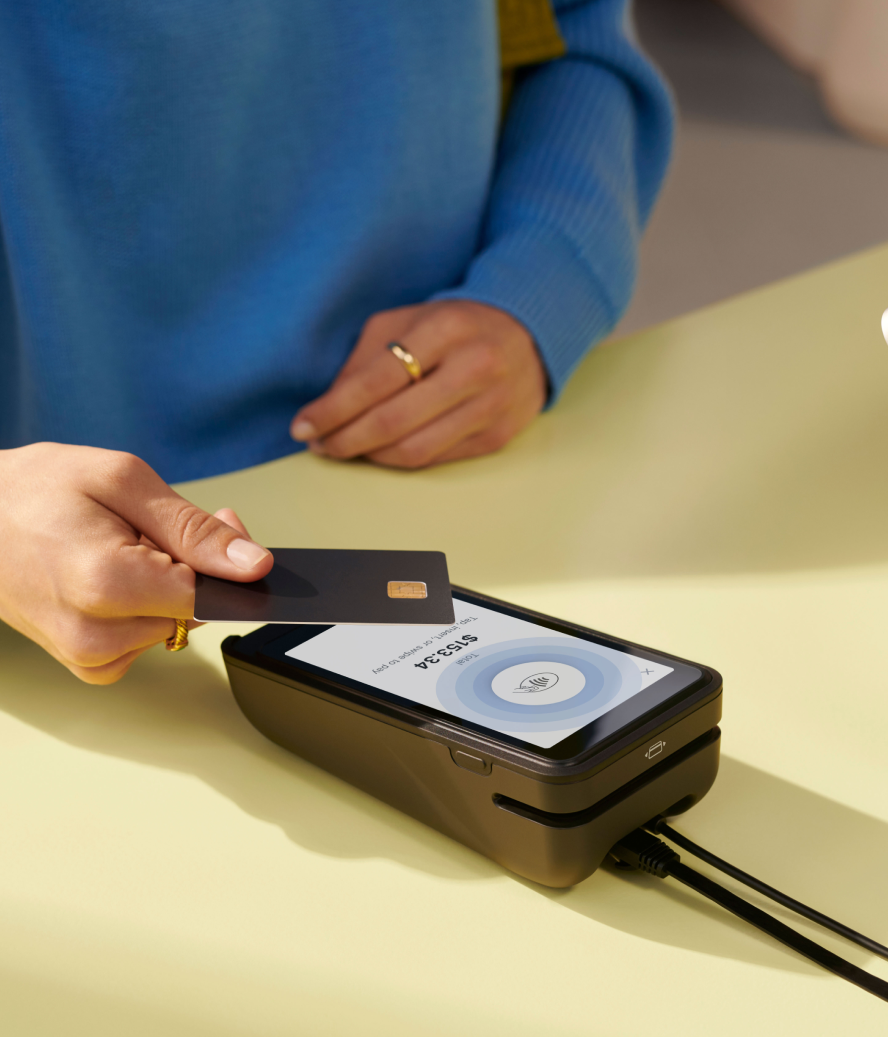
Mobile point-of-sale (mPOS) systems enable your employees to process payments whenever and wherever your customers are. They’re no longer stuck behind a cash desk, and long checkout lines can cause shoppers to abandon purchases.
But a mobile POS offers the opportunity to sell anywhere and turns cashiers into sales consultants who are able to provide excellent customer service and a quick checkout experience.
Most mobile POS systems can also be synced up to a store’s inventory system, giving employees access to an accurate count of what’s in the stockroom. So, if a customer needs a product that isn’t on the store shelves, a staff member can quickly assess whether it’s in stock, and if not, order that item on the spot.
The additional benefits of mobile POS extend beyond a store’s walls. Employees can use the store’s ecommerce site to help customers and even place orders for shipping to a customer’s door. A mobile POS system enables employees to efficiently create in-depth customer profiles for future interactions and send email receipts directly to buyers. Not only does this allow brands access to shopper inboxes, but digital receipts also help make your business more environmentally friendly.
Continual Training
 Perhaps the biggest benefit of offering tech to employees is the continual training that comes along with it. Software and devices are constantly updated and with those updates, employees will need regular training (or retraining). As we mentioned earlier, one of the biggest reasons for employee turnover in retail is because employees don’t feel challenged, aren’t trained to learn new tasks, and don’t see much career advancement. Placing tech in the hands of retail employees has the power to change that.
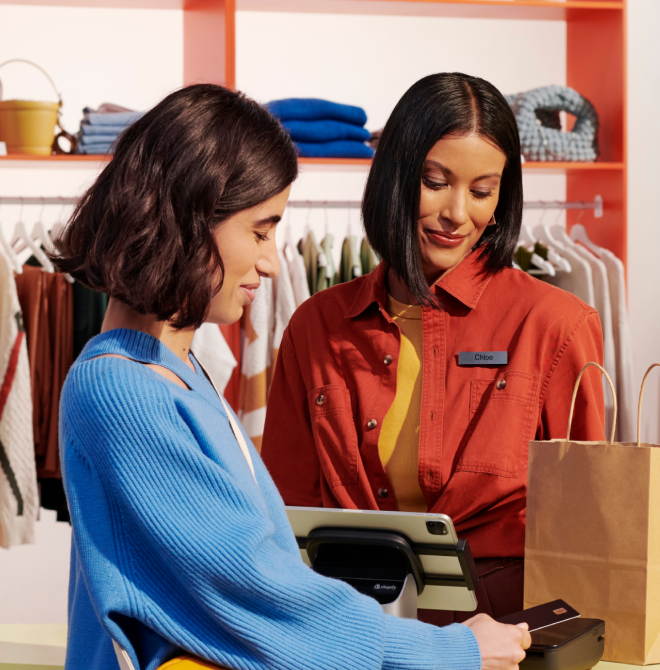
Upgrading to new technology empowers staff to do more — rather than serve as just a front-of-store greeter, they can check out customers, answer inventory questions instantly, and provide any other on-the-spot customer service. This kind of cross-training can keep employees engaged — and keep them on your payroll.
Examples Of How Tech Benefits Retail
Apple
Apple was one of the first retailers to offer every employee with a mobile device or tablet. It makes sense considering the iPhone and iPad are two of the successful products they sell. Why not have your employees show them off while they work? But Apple’s success with offering tech devices to all retail employees goes beyond showcasing the products’ capabilities. It also makes employees feel important, autonomous, and empowered.
"They don’t feel like they’re just somebody over here working with customers," Apple’s retail chief Angela Ahrendts told Fortune. "I don’t see them as retail employees. I see them as executives in the company who are touching the customers with the products that Jony [Ive] and the team took years to build. Somebody has to deliver it to the customer in a wonderful way."
With their handheld devices, Apple employees are able to look up useful information for customers, provide great customer service on the spot, they can schedule Genius Bar appointments for shoppers, and they can process sales from anywhere in the store. Every employee is able to fulfill every sales role – from sales associate to cashier — thus, feeling like their own managers able to make decisions on behalf of the business.
Macy’s
While it can be costly and difficult to offer all employees mobile devices at department stores like Macy’s, this retailer has still taken steps to ensure that tech plays a role in employee retention. In a 2017 NRF Big Show panel, then–Macy’s chairman and CEO Terry J. Lundgren said that continual training using tech would help ensure employees saw more of a future in their role.
In addition to a leadership program that trains employees into management positions, Computer Weekly reports that Macy’s focused on developing and retaining digital talent within its stores. Additionally, the company works with a number of universities to encourage students to pursue a career in retail technology.
Warby Parker
A number of online retailers who’ve taken the leap into offline showrooms rely on having their employees armed with tech. Bonobos, Clearly, and Made.com all have taken the leap into setting up brick-and-mortar businesses in a time when offline retailers are feeling the crunch. Their secret to success: ditching On-Site inventory, empowering their employees with mobile devices, and fulfilling customer orders that are shipped right to their doors.
Warby Parker is a leading example. The prescription eyeglasses and sunglasses retailer started online in 2010. Since then, they’ve started to open several brick-and-mortar spots across North America to increase brand recognition and encourage shoppers to try on their glasses.
One reason Warby Parker has seen such success is that technology is used to streamline the customer experience. Every employee carries a tablet, enabling them to place a customer’s order and process the sale on the spot. All employees are trained to work every position in store, from greeter to cashier, and they’re also able to help customers navigate their offerings and find the right fit.
Retail Tech for Employees: Is This Right For You?
 Now that you’ve gone through the benefits of empowering your employees with technology, you may be excited to explore this approach. But it isn’t for everybody. Here are some things to keep in mind and ask yourself before arming your employees with any kind of additional technology.
Company size: Purchasing devices and software is a large investment, not to mention the training you’ll need to offer so that your employees feel comfortable using them. Consider the size of your company, how many employees you’ll need to train, and whether this investment will be worth it in the long run.
Brand alignment: Using tech makes sense at companies like Apple and Warby Parker. It aligns with their brand, their image, and the products they’re selling. If you’re a large shoe retailer, having a mobile POS with an online inventory makes sense, but if you’re a smaller stationary retailer with minimal online presence, it might not.
Target customers: Instead of focusing on age cohorts, think in terms of shopping behaviors. If you serve customers who prefer mobile-first shopping, self-serve product research, and digital payments, In-Store tech can help your team meet those expectations. Likewise, if you’re hiring employees who are comfortable learning mobile tools, training and adoption will be easier.
Moving Forward With Employee Technology
Using technology has the ability to enhance the retail experience of both shoppers and employees. For retail employees, technology gives them the tools to problem solve on the fly, better engage with customers, and process sales from anywhere in the store. It also requires the training and digital development that many retail employees want and can help them feel empowered.
If you’re evaluating where to start, map your biggest In-Store friction points (inventory lookups, long lines, or task handoffs), then pilot one workflow with a small group of associates before rolling it out store wide.
Read more
- Stuck in a Rut? 5 Reasons Retailers Should Consider a Business Coach
- How to Build and Implement a Staff Hiring Plan for Your Retail Store
- What is Retail Management? Definition, Responsibilities, and Future Outlook
- How To Prepare Your Retail Business For Your Absence
- HR Chatbots: How AI Can Help Onboard and Train Your Retail Employees
- 10 Quotes to Inspire Entrepreneurs on Their Retail Journey
- Rotating Schedules: How to Always Have Retail Employees Available
- Avoiding Analysis Paralysis: How to Prioritize in Your Retail Business
Retail Employee Technology & Mobile POS: FAQs
What technology helps empower retail employees on the sales floor?
Mobile devices and tablets, paired with mobile point-of-sale systems, help empower frontline employees on the sales floor. These tools let them access real-time inventory and customer data, answer product questions quickly, and process transactions anywhere in the store, not just at a cash desk.
How do mobile devices improve customer service in retail stores?
Mobile devices help employees look up product details, online reviews, promotions, and real-time inventory without leaving the customer. That means fewer trips to the stockroom and more face time with shoppers. Quick answers and on-the-spot help create a more seamless, customer-driven experience.
How can mobile checkout reduce long lines and increase sales?
Mobile point-of-sale lets employees take payments wherever customers are, so they aren’t stuck behind a cash desk. Since a lineup at the register is a leading reason shoppers ditch purchases, checking out on the floor can reduce walkaways. It also supports ordering out-of-stock items on the spot.
Why does employee technology help reduce retail staff turnover?
Hourly store employee turnover is 65%, and lack of training and career advancement contributes to it. Giving employees devices creates continual training through regular updates and cross-training across roles like cashier and sales associate. Feeling challenged and empowered can keep employees engaged and on payroll.
Can small retailers afford employee devices and training costs?
Small retailers can explore it, but purchasing devices, software, and training is a large investment, so it may not fit every business. Consider company size, how many employees need training, and whether it aligns with the brand and target customers. A practical step is to assess long-term value before buying.


